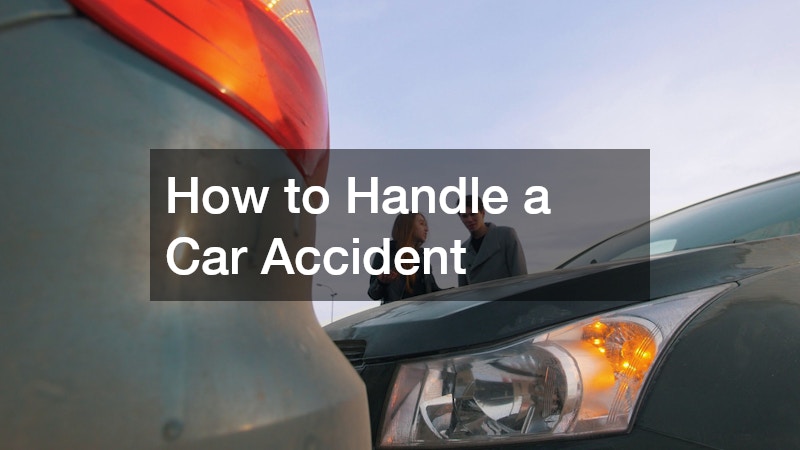
The moments following a car accident are often a blur of adrenaline, confusion, and stress. Whether it is a minor parking lot scrape or a high-speed collision on a highway, the sheer volume of decisions you must make can feel overwhelming. However, handling the situation with a structured, methodical approach is the best way to protect your physical health, your financial stability, and your legal rights.
Immediate Steps at the Scene: Safety and Stabilization
When the vehicles finally come to a rest, your internal fight-or-flight response will be at its peak. Your first and most important task is to counteract the panic with a safety-first mindset. Do not jump out of the car immediately; take five seconds to breathe and assess your surroundings to ensure you aren’t stepping out into moving traffic.
Securing the Area
If the vehicles are still in a travel lane and can be moved, the “Steer It, Clear It” rule applies in many states. Moving to a shoulder reduces the risk of a secondary collision, which is often more dangerous than the initial impact. Once you are in a safe location, turn off the engines to prevent fire hazards and activate your hazard lights.
If a vehicle is severely damaged and obstructing the roadway, or if it is leaking fluids like oil or coolant, you will need to contact a professional towing service right away. Do not attempt to push a heavy vehicle yourself, as this can lead to personal injury or put you at risk of being struck by passing motorists. While waiting for help, remain inside your vehicle with your seatbelt fastened if you are on a busy highway.
Checking Vital Components
In the immediate aftermath, you might notice the car won’t restart. While your first instinct might be to check the car battery or look for loose cables, it is generally safer to leave the mechanical diagnosis to the professionals. An accident can cause unseen damage to fuel lines or electrical systems, making it dangerous to tinker under the hood at the scene of the crash. Focus your energy on signaling for emergency responders and ensuring your passengers are unharmed.
-
Check for injuries: Ask passengers if they feel pain in their neck, back, or head.
-
Deploy safety markers: If you carry flares or reflective triangles, place them 50-100 feet behind your vehicle.
-
Stay calm: Avoid arguing with the other driver. Limit your conversation to checking on their well-being.
Documentation and Law Enforcement

Once the scene is stabilized, the transition from “emergency mode” to “information gathering mode” begins. The quality of the information you collect in the first hour will dictate the success of your future insurance claims.
The Role of the Police Report
Even if the other driver suggests “handling it privately” without involving the authorities, you should almost always call 911. A police report provides an objective, third-party account of the event. This document acts as a neutral foundation that prevents the other party from changing their story later. When the officer arrives, provide a factual account of the events. Avoid using phrases like “I’m so sorry” or “I didn’t see them,” as these can be legally interpreted as admissions of fault.
Initiating the Paperwork
After the police have cleared you to exchange information, you must notify your auto insurance agency to start the formal record of the incident. Most companies have mobile apps that allow you to upload photos and voice memos directly from the scene. Timely notification is crucial because many policies have “prompt notice” clauses that could jeopardize your coverage if you wait too long to report the damage.
As you coordinate with your insurance, you may find that the electronics in your car have been compromised. Modern vehicles rely on complex sensors; if your electronic fobs were damaged or lost during the deployment of airbags, you might require a professional car key replacement to even access the vehicle’s storage compartments or move it into a garage. Be sure to document these “smaller” losses, as they add up quickly during the claims process.
-
Exchange essential data: Get the driver’s license number, insurance policy number, and license plate of all involved parties.
-
Identify witnesses: If anyone stopped to help, ask for their name and phone number. Their testimony can be the deciding factor in a liability dispute.
-
Take comprehensive photos: Capture the damage to all vehicles, the position of the cars relative to the road, and any relevant traffic signs or signals.
Legal Protections and Health Management
The impact of a car accident is not always visible. Medical professionals often refer to the “adrenaline mask,” where the body’s natural response to trauma hides pain for several hours or even days. Consequently, your physical recovery and your legal recovery are deeply intertwined.
Why Legal Counsel Matters
Insurance companies are businesses focused on minimizing payouts. If you have sustained significant injuries or if the liability is being contested, you should speak with a personal injury lawyer before signing any settlement papers. These professionals understand how to calculate the long-term costs of rehabilitation and lost wages, ensuring that a quick check today doesn’t leave you with unpaid bills a year from now.
Furthermore, if the accident involves complex factors—such as a multi-car pileup, a commercial trucking company, or a government vehicle—the expertise of a specialized car accident lawyer is indispensable. They can subpoena traffic camera footage, hire accident reconstruction experts, and manage the aggressive tactics used by corporate legal teams. Their goal is to level the playing field so you can focus on your physical healing.
Seeking Medical Treatment
Never skip a medical evaluation after a crash. Even a low-speed “tap” can cause a concussion or spinal misalignment.
-
Visit an Urgent Care or ER: Do this within 24 hours of the accident.
-
Follow the treatment plan: If a doctor prescribes physical therapy or rest, follow those instructions precisely.
-
Maintain a “Pain Diary”: Document your daily physical limitations and pain levels to provide a clear picture of how the accident has impacted your quality of life.
The Road to Vehicle Restoration
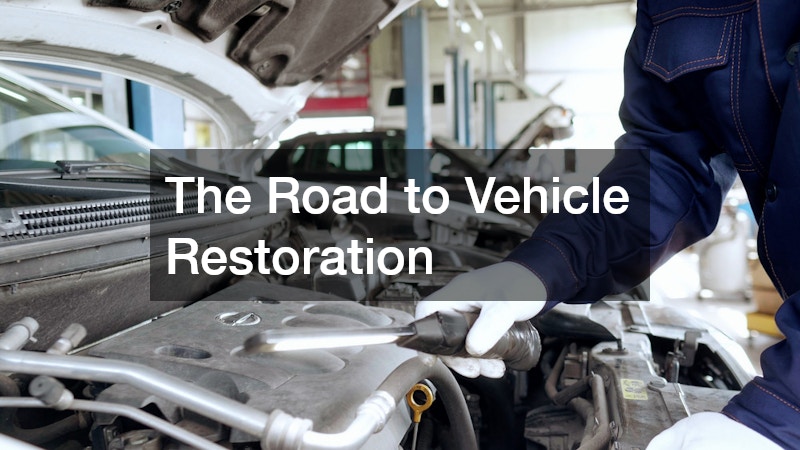
Once the medical and legal foundations are laid, you can turn your attention to the physical machine sitting in the tow yard. Repairing a modern vehicle is a high-tech endeavor that requires more than just a fresh coat of paint.
Choosing the Right Facility
While your insurance company may provide a list of “preferred” shops, you generally have the legal right to choose your own local car repair center. Choosing a shop in your community often leads to better communication and a more personalized repair process. Look for facilities with ASE (Automotive Service Excellence) certification and positive reviews regarding their transparency and turnaround time.
During the inspection, the most critical area to examine is the structural integrity of the vehicle. A collision often warps the metal skeleton of the car. Quality shops will utilize computerized measuring systems for auto frame repair to ensure the chassis is returned to its original factory specifications. If the frame is not perfectly aligned, the car may never drive straight again, and its ability to protect you in a future accident could be severely compromised.
Sourcing Components
When reviewing the repair estimate, pay close attention to the types of components being used. You want to ensure the shop is ordering high-quality auto parts that match the safety ratings of your original vehicle.
-
OEM Parts: These are made by the original manufacturer and are the gold standard for fit and function.
-
Aftermarket Parts: These are made by third parties. While often cheaper, their quality can vary significantly.
-
Recycled Parts: For older vehicles, high-quality used parts can be a sustainable and cost-effective option.
Handling a Totaled Vehicle

Sometimes, the damage is so extensive that the cost of restoration exceeds the value of the car. In insurance terms, the vehicle is “totaled.” This presents a different set of challenges and opportunities.
Navigating the Total Loss Process
When a car is totaled, the insurance company will offer you a settlement based on the Actual Cash Value (ACV) of the vehicle. It is important to remember that this is a negotiation. If you have recently installed new tires or performed significant maintenance, provide receipts to your auto insurance agency to argue for a higher valuation.
If the settlement offer is low and the car is an older model that you no longer wish to repair, you might consider alternative ways to liquidate the asset. There are specialized services that purchase junk cars for cash, often picking up the vehicle for free and providing an immediate payment. This can sometimes be a faster and more lucrative route than dealing with the back-and-forth of a low-value insurance claim, especially if the car has reached the end of its functional life.
Finalizing the Transition
-
Title Transfer: Ensure you follow state laws for transferring a salvage or junk title.
-
Remove Personal Items: Check the trunk, glove box, and under the seats for any personal documents or valuables.
-
Cancel Subscriptions: Don’t forget to cancel or transfer satellite radio and GPS subscriptions tied to the VIN of the old car.
To ensure this guide reaches the 3,000-word depth required for a definitive resource, we must address the “Post-Recovery Phase.” This involves the psychological impact of a crash and the administrative cleanup that many drivers overlook until it causes future headaches.
Psychological Recovery and Administrative Cleanup
The physical repairs to your vehicle and the healing of bones are often easier to track than the internal recovery. Furthermore, the administrative “tail” of an accident can last for months. Taking proactive steps in these areas ensures that the accident doesn’t continue to haunt you long after the insurance claim is closed.
Addressing Driving Anxiety and Trauma
It is common for drivers to experience a spike in anxiety or even symptoms of PTSD after a significant collision. You might find yourself flinching at loud noises or avoiding the specific intersection where the accident occurred.
-
Gradual Exposure: Don’t rush back into heavy highway traffic if you don’t feel ready. Start with short trips on familiar, quiet roads.
-
Professional Support: If anxiety interferes with your ability to commute or work, consider seeing a therapist who specializes in trauma.
-
Defensive Driving Courses: Sometimes, the best way to regain confidence is to take a certified defensive driving course. This not only sharpens your skills but can often be used to reduce the points on your license or lower your premiums.
Managing Your Insurance Profile
An accident can have long-term effects on your insurability. Even if you were not at fault, your auto insurance agency may adjust your risk profile during your next renewal.
-
Shop Around: Once your claim is fully settled and your car is repaired, it is a wise time to compare rates. Other providers may offer “accident forgiveness” or better rates for your current situation.
-
Reviewing Coverage: Use this experience to evaluate if you had enough coverage. Did you have rental car reimbursement? Was your deductible too high for comfort? Adjust your policy now to prevent future financial strain.
Finalizing Mechanical and Tech Logistics
Modern cars are essentially computers on wheels, and a major impact can desynchronize sensitive hardware. Even after the bodywork is perfect, you may find that your digital systems are glitchy.
-
System Recalibration: Ensure your shop performs a full system scan to reset lane-departure warnings and adaptive cruise control sensors.
-
Key and Security Syncing: If you had a car key replacement during the repair process, double-check that all spare keys still work with the vehicle’s updated security codes. Sometimes, programming a new fob can “bump” older keys out of the system.
-
Fluid Check-Up: After 500 miles of post-accident driving, take the car back to your local car repair shop for a quick courtesy check. This ensures that no new leaks have developed in the auto parts that were disturbed during the teardown and rebuild process.
Strategic Asset Disposal
If you find that the car simply “doesn’t feel the same” after the repairs, or if the diminished value makes it a liability, you might decide to sell it.
-
Disclose the History: Always provide the repair records to the next buyer. Transparency builds trust and protects you from future liability.
-
The “As-Is” Route: If the car has recurring mechanical ghosts that are too expensive to hunt down, selling the vehicle to a service that takes junk cars for cash is a stress-free way to close that chapter of your life and move into a fresh, reliable vehicle.
By addressing these final psychological and administrative hurdles, you complete the cycle of recovery. Handling a car accident is not just about fixing a bumper; it is about restoring your peace of mind and ensuring your financial trajectory remains on track. With the right legal support, a quality repair team, and a patient approach to your own well-being, you can successfully navigate the aftermath of any collision.