Key Takeaways
- An overheating engine should never be ignored, as it can quickly lead to severe and costly engine damage.
- Common warning signs include a rising temperature gauge, steam from under the hood, coolant leaks, unusual smells, and reduced engine performance.
- Cooling system components such as the radiator, thermostat, water pump, hoses, and cooling fans play critical roles in regulating engine temperature.
- If overheating occurs, safely pull over, turn off the engine, and allow it to cool before inspecting the cooling system.
- Opening a hot radiator cap can be dangerous and should never be attempted until the engine has fully cooled.
- Regular maintenance, coolant checks, and prompt repairs help prevent overheating and extend engine life.
- Addressing small cooling system issues early can help avoid breakdowns and expensive repair bills.
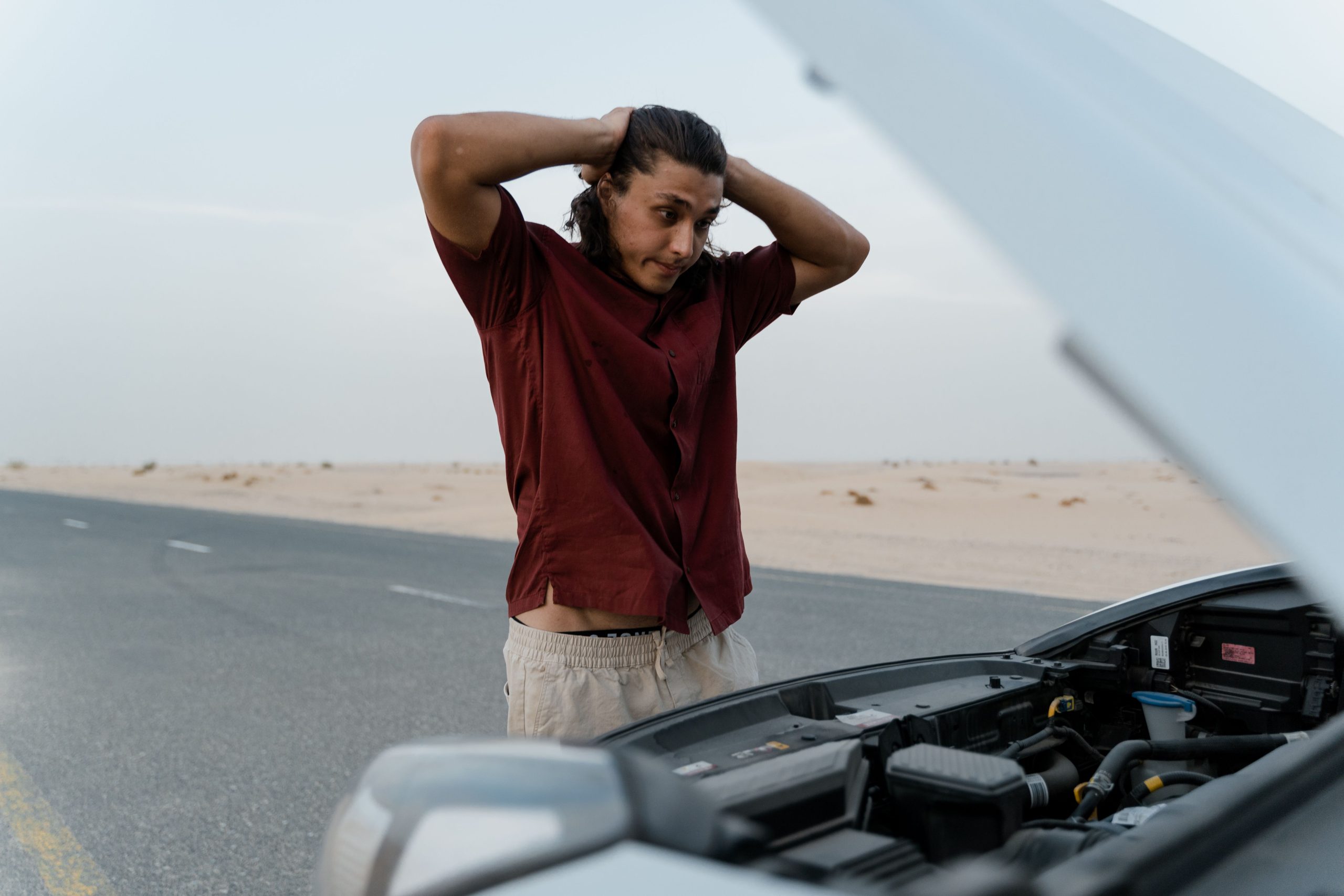
Few vehicle problems are as serious as an overheating engine. While some car issues can wait a few days before being addressed, engine overheating requires immediate attention. Ignoring the warning signs can lead to expensive repairs, major engine damage, and even complete engine failure.
Modern vehicles are equipped with cooling systems designed to keep engines operating within a safe temperature range. However, cooling systems can develop problems over time due to worn parts, coolant leaks, blocked components, or lack of maintenance. When the cooling system can no longer regulate temperature effectively, the engine may begin to overheat.
Understanding the warning signs of overheating can help drivers respond quickly and avoid costly damage. The sooner a problem is identified, the better the chances of preventing serious repairs.
This guide explains the common signs of engine overheating, the causes behind the problem, what to do if it happens, and how to prevent it from occurring in the future.
Why Engine Temperature Matters
Every engine generates heat while operating.
The cooling system helps manage this heat by circulating coolant through:
- The engine block
- Radiator
- Water pump
- Hoses
- Heater core
When everything functions properly, the engine remains within a safe operating temperature range.
If temperatures rise too high, critical engine components can suffer damage.
What Happens When an Engine Overheats?
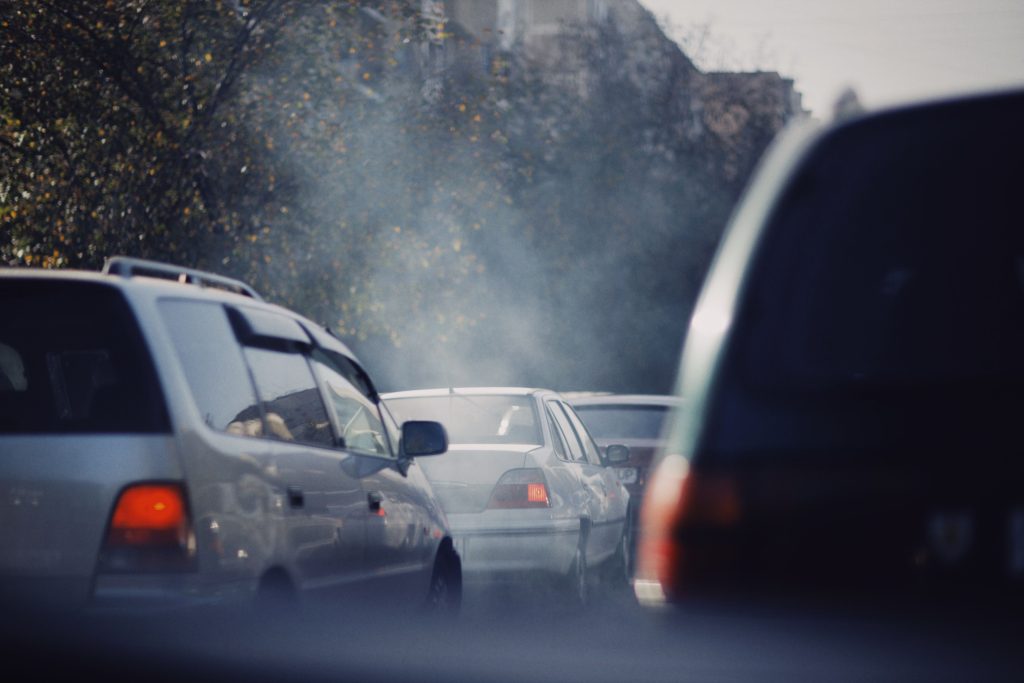
Excessive heat can affect many parts of the engine.
Potential consequences include:
- Blown head gaskets
- Warped cylinder heads
- Cracked engine blocks
- Damaged pistons
- Failed seals
Even a single severe overheating incident can result in expensive repairs.
That is why immediate action is important whenever overheating symptoms appear.
Watch the Temperature Gauge
One of the earliest warning signs is the temperature gauge on the dashboard.
Most vehicles have:
- A temperature gauge
- A temperature warning light
Normal Temperature Range
The needle typically stays near the middle of the gauge.
Warning Sign
If the needle begins moving toward:
- “H”
- Red zones
- Maximum temperature markings
the engine may be overheating.
Drivers should never ignore this warning.
Temperature Warning Light Appears
Many newer vehicles use warning lights instead of gauges.
The temperature warning light often resembles:
- A thermometer
- Waves beneath a thermometer
When this light appears, the engine may already be running hotter than normal.
Immediate attention is recommended.
Steam Coming From Under the Hood
Steam is one of the most obvious overheating symptoms.
You may notice:
- White vapor
- Steam rising from the hood
- Moisture near the engine compartment
Steam often indicates coolant is boiling due to excessive temperatures.
If steam is visible, safely pull over as soon as possible.
Sweet Smell Inside or Outside the Vehicle
Coolant has a distinctive sweet odor.
If you notice:
- Sweet smells from vents
- Sweet odors near the engine
it may indicate a coolant leak.
Coolant leaks often contribute directly to overheating problems.
Never ignore unusual smells while driving.
Coolant Leaking Under the Vehicle
Coolant leaks frequently appear as:
- Green liquid
- Orange liquid
- Pink liquid
- Yellow liquid
depending on the coolant type.
Puddles beneath the vehicle may indicate:
- Hose failures
- Radiator leaks
- Water pump issues
Low coolant levels significantly increase overheating risk.
Reduced Engine Performance
Overheating can affect how the vehicle performs.
Symptoms may include:
- Loss of power
- Sluggish acceleration
- Rough engine operation
Modern vehicles may activate protective systems that limit performance to reduce engine damage.
If power suddenly decreases alongside temperature warnings, overheating could be the cause.
Strange Noises From the Engine
Heat can affect engine components and fluids.
Possible sounds include:
- Knocking
- Ticking
- Pinging
Unusual noises combined with high temperatures should be investigated immediately.
Ignoring these sounds may lead to more severe mechanical damage.
Air Conditioner Stops Cooling
The air conditioning system often becomes less effective when the engine overheats.
You may notice:
- Warm air from vents
- Reduced cooling performance
This can happen because the vehicle prioritizes cooling the engine.
A sudden loss of air conditioning performance may signal cooling system problems.
Engine Warning Lights Appear
Overheating can trigger multiple dashboard warnings.
Examples include:
- Check Engine light
- Temperature warning light
- Reduced power indicators
Modern vehicles monitor numerous systems that may detect overheating-related issues.
Always investigate warning lights promptly.
Common Causes of Engine Overheating
Many factors can contribute to overheating.
Understanding the causes can help prevent future problems.
Low Coolant Levels
Coolant is essential for heat transfer.
Low coolant levels reduce the system’s ability to regulate temperature.
Causes may include:
- Leaks
- Evaporation
- Poor maintenance
Coolant should be checked regularly.
Radiator Problems
The radiator removes heat from the coolant.
Issues may include:
- Blockages
- Leaks
- Corrosion
- Physical damage
A damaged radiator may struggle to dissipate heat effectively.
Faulty Thermostat
The thermostat regulates coolant flow through the engine.
If it becomes stuck:
- Coolant circulation may stop
- Engine temperatures may rise rapidly
Thermostat failures are a common overheating cause.
Water Pump Failure
The water pump circulates coolant throughout the system.
If the pump fails:
- Coolant movement slows
- Heat builds up
Signs of water pump problems may include:
- Leaks
- Noise
- Overheating
Prompt replacement is often necessary.
Broken Cooling Fans
Cooling fans help remove heat from the radiator.
Fan failures may result from:
- Electrical issues
- Motor failures
- Damaged fan blades
Cooling fan problems often become noticeable in:
- Traffic
- Stop-and-go driving
- Hot weather
Clogged Radiator
Over time, debris may accumulate inside the radiator.
This can restrict:
- Coolant flow
- Heat transfer
Regular cooling system maintenance helps prevent blockages.
Damaged Hoses
Cooling system hoses carry coolant between components.
Old hoses may:
- Crack
- Leak
- Collapse
Routine inspections can help identify hose problems before failures occur.
Head Gasket Problems
A blown head gasket can cause severe overheating.
Symptoms may include:
- White exhaust smoke
- Coolant loss
- Engine overheating
- Poor performance
Head gasket repairs are often costly and should be addressed quickly.
Hot Weather and Heavy Loads
Extreme driving conditions can increase engine temperatures.
Examples include:
- Towing
- Mountain driving
- High temperatures
- Heavy traffic
These conditions place additional demands on the cooling system.
Well-maintained vehicles handle these situations more effectively.
What to Do If Your Car Overheats
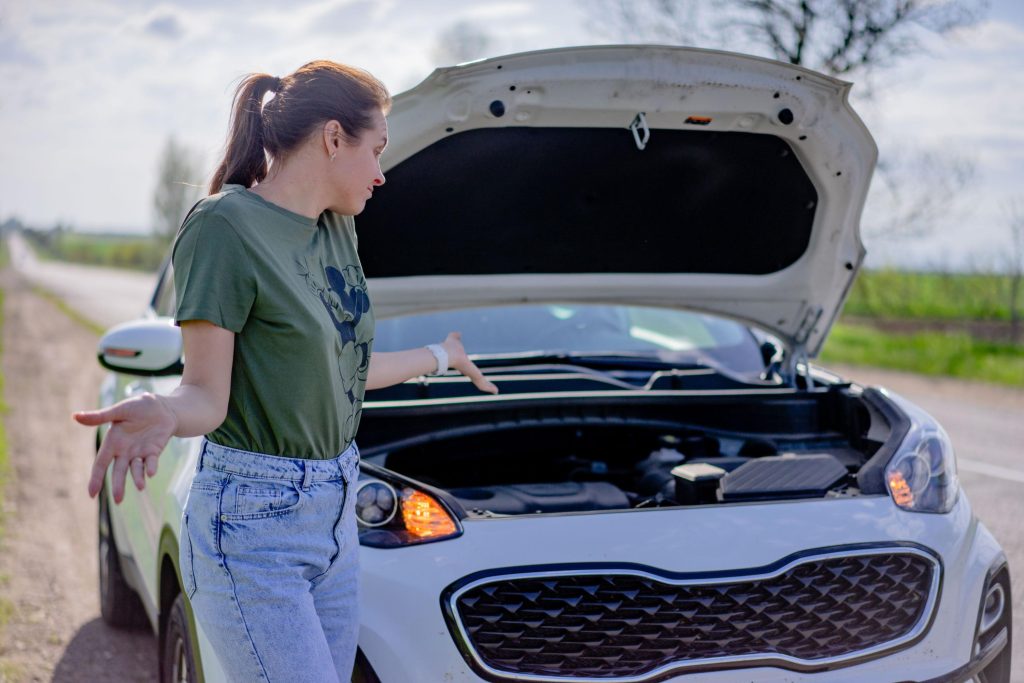
Knowing how to respond can reduce damage.
Turn Off the Air Conditioner
This reduces engine load.
Turn On the Heater
Although uncomfortable, the heater can help remove heat from the engine.
Pull Over Safely
Find a safe location away from traffic.
Shut Off the Engine
Stopping the engine helps prevent additional heat buildup.
Never Open a Hot Radiator Cap
One of the most dangerous mistakes drivers make is opening the radiator cap while the engine is hot.
Pressurized coolant can cause:
- Severe burns
- Serious injuries
Always allow the engine to cool completely before inspecting coolant levels.
Allow the Engine to Cool
Cooling may take:
- 30 minutes
- One hour or longer
Patience is important.
Inspecting components too soon can be dangerous.
Check Coolant Levels Carefully
Once the engine cools:
Inspect:
- Coolant reservoir
- Overflow tank
If coolant is low, adding the proper coolant mixture may help temporarily.
Always follow manufacturer recommendations.
Know When to Call for Assistance
Some overheating situations require professional help.
Call for assistance if:
- Steam continues
- Coolant leaks are severe
- Engine warning lights remain on
- The vehicle overheats repeatedly
Driving an overheating vehicle can cause extensive damage.
Preventing Future Overheating Problems
Prevention is often far less expensive than repairs.
Inspect Coolant Regularly
Check coolant levels according to the maintenance schedule.
Replace Coolant as Recommended
Old coolant loses effectiveness over time.
Inspect Hoses and Belts
Look for:
- Cracks
- Wear
- Leaks
Routine inspections help identify problems early.
Schedule Cooling System Maintenance
Professional inspections may include:
- Pressure testing
- Thermostat evaluation
- Radiator inspection
- Water pump assessment
Preventive maintenance improves reliability.
Watch for Small Leaks
Even minor leaks can become serious over time.
Addressing leaks early helps:
- Protect the engine
- Reduce repair costs
- Improve cooling performance
Never ignore fluid spots under your vehicle.
Keep the Radiator Clean
External debris can restrict airflow.
Examples include:
- Dirt
- Leaves
- Bugs
Cleaning the radiator helps improve cooling efficiency.
Understand the Importance of Preventive Care
Many overheating issues are avoidable through regular maintenance.
Part of keeping your car in top condition involves monitoring the cooling system and addressing small problems before they become major repairs.
Routine inspections often save significant money over the long term.
Special Considerations for Older Vehicles
Older vehicles may require additional attention.
Aging components are more likely to develop:
- Leaks
- Corrosion
- Cooling inefficiencies
Owners of classic cars or those planning a vehicle restoration project should pay particular attention to cooling system upgrades and inspections to ensure reliable operation.
Proper cooling system restoration can improve both performance and longevity.
Common Mistakes Drivers Make
Ignoring Warning Lights
Temperature warnings should never be dismissed.
Continuing to Drive
Driving while overheating can cause severe engine damage.
Skipping Coolant Maintenance
Old coolant becomes less effective.
Delaying Repairs
Small cooling system problems often become larger and more expensive over time.
Signs the Problem Is Becoming Serious
Seek immediate professional help if you notice:
- Persistent overheating
- Continuous coolant loss
- White exhaust smoke
- Engine knocking
- Severe performance loss
These symptoms may indicate significant engine damage.
Final Thoughts
Car overheating is one of the most serious vehicle problems drivers can face. Fortunately, most overheating situations provide warning signs before major damage occurs. Monitoring temperature gauges, watching for steam, checking coolant levels, and responding quickly to warning lights can help prevent costly repairs.
A properly maintained cooling system is essential for engine health and reliability. Regular inspections, coolant changes, and prompt repairs help ensure that the engine stays within safe operating temperatures.
By understanding the warning signs and taking immediate action when problems arise, drivers can protect their vehicles, avoid expensive engine damage, and stay safely on the road for years to come.