It is a moment every vehicle owner dreads: sitting in a waiting room while a mechanic inspects your vehicle, or standing on the side of the highway looking at a crumpled bumper after an unexpected collision, wondering if your car is actually worth fixing or if you are pouring good money after bad. Deciding whether to repair a severely damaged or aging vehicle is a stressful intersection of emotional attachment and financial anxiety; make the wrong call, and you could sink thousands into a mechanical money pit, but give up too soon, and you take on an unnecessary monthly auto loan payment. This comprehensive guide removes the guesswork by walking you through a step-by-step framework to accurately diagnose your vehicle’s condition, calculate the true cost of ownership, vet your repair options, and recognize the exact moment it makes sense to walk away so you can handle your automotive dilemma with total confidence.
Diagnosing the Severity of the Damage
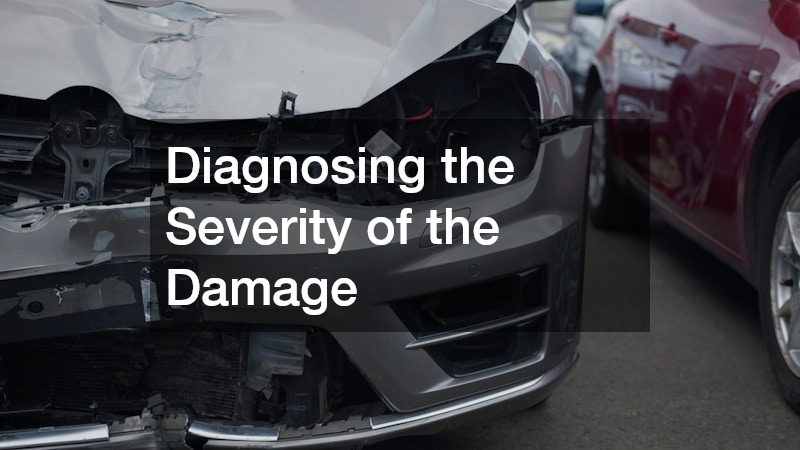
Before you can determine if a vehicle is a lost cause, you must understand exactly what is broken. Auto damage broadly falls into two distinct categories: cosmetic issues and structural failures. While cosmetic problems can make a car look unappealing, they rarely compromise your safety or the vehicle’s ability to get you from point A to point B. Structural damage, however, alters the very physics of how your vehicle protects you in an accident.
Modern vehicles are engineered with specific crumple zones designed to absorb impact energy during an accident. If a major collision warps the unibody frame, the vehicle’s structural integrity is permanently altered. Even if a shop straightens the frame, it may never possess the same strength in a secondary accident. Therefore, your very first step must be a rigorous safety assessment.
To help you categorize the issues, it helps to use a strict diagnostic checklist during your initial inspection:
-
Critical Safety Failures: This includes warped frame rails, compromised suspension mountings, compromised brake lines, or deployed airbags. If these systems are damaged, the vehicle is legally and physically unsafe to drive until major auto collision repair work is completed.
-
Operational Failures: These are problems that prevent the car from running properly but do not necessarily mean the vehicle is structurally compromised. Examples include a blown engine, a failed cooling system, or a broken axle.
-
Minor Exterior Damages: These include side-panel scrapes, hail damage, or dented doors. While unsightly, utilizing professional dent repair services can easily resolve these issues without affecting the mechanical life of the machine.
A great actionable tip for any driver inspecting a damaged vehicle is to perform a quick “flashlight and magnet” DIY check. Take a high-powered flashlight and look closely inside the wheel wells and underneath the engine bay. Look for any areas where the metal is buckled, cracked, or showing fresh rust where paint flaked off due to metal bending. Run a magnet along the lower frame rails; if the magnet drops off unexpectedly, it could indicate a spot that was previously patched over with heavy body filler rather than properly repaired. Finding these hidden structural buckles early gives you the leverage you need when deciding whether to seek professional help or let the vehicle go.
Finding and Vetting Trusted Experts for Estimates

Never rely on a single opinion when a vehicle’s life hangs in the balance. When the repair bills threaten to climb into the thousands, you need a minimum of three independent, written estimates. Gathering these quotes requires patience, but it prevents you from falling victim to inflated labor rates or unnecessary parts markups.
When you receive a professional repair estimate, do not just look at the bottom-line number. Request a line-by-line itemization that separates labor hours from parts costs. Look closely at the parts specified. Mechanics typically choose between Original Equipment Manufacturer parts, aftermarket parts, or recycled junk parts. If you are trying to save an older vehicle on a budget, explicitly ask the shop if they can source high-quality aftermarket or certified recycled parts instead of brand-new factory components. This single request can often trim twenty to thirty percent off the total bill.
Choosing the right type of facility for your inspection is equally crucial. For everyday maintenance checks, diagnostic scans, and minor component failures, taking your vehicle to a reputable car care center is your best bet. These facilities are built for comprehensive oversight and can give you a clear picture of your vehicle’s general health.
However, if you are dealing with deeper mechanical anomalies or need a specialized second opinion on a failing engine, you will want to shift your focus. In those instances, consulting a dedicated local auto repair service ensures you are working with technicians who possess specialized diagnostic tools for your specific make and model. Always check for industry certifications like ASE (Automotive Service Excellence) or I-CAR before leaving your keys. A certified shop is far more likely to provide an honest, accurate assessment that protects your wallet.
Evaluating Specific Costly Component Failures
Not all automotive failures are created equal. Some parts can be swapped out in an hour, while others require dropping entire heavy systems out of the vehicle’s chassis. The two most common areas that cause owners to panic are powertrain failures and major glass damage. Powertrains are the heart and muscles of your vehicle, while your glass windows act as a critical shield.
When a vehicle starts slipping gears, hesitating on acceleration, or making loud grinding noises from the undercarriage, you are likely looking at a severe drivetrain issue. Drivetrain problems are notoriously expensive because they require immense labor just to access the broken components. If you find yourself in this situation, a specialized local transmission repair shop is the best place to seek a quote, as general mechanics often markup transmission work that they end up outsourcing anyway. You must weigh the cost of a complete system rebuild against the actual remaining lifespan of the vehicle’s engine.
Glass damage presents a completely different set of choices. A tiny chip in your front viewing window might seem trivial, but temperature fluctuations and bumpy roads can quickly turn that minor blemish into a massive, spiderweb crack. This poses a major safety risk, as the front glass provides up to thirty percent of a vehicle’s structural roof strength during a rollover accident.
To handle glass issues efficiently, keep these specific strategies in mind:
-
Evaluate the Damage Size: If a rock chip is smaller than a dollar bill, you can usually opt for quick windshield repairs to seal the glass and prevent the crack from spreading.
-
Check Local Insurance Laws: Many states have specific insurance regulations that mandate zero-deductible glass coverage. This means your insurance provider may be legally required to fix the chip for free without raising your monthly premiums.
-
Know When to Replace: If the crack penetrates the inner layer of plastic, blocks the driver’s direct line of sight, or extends to the outer edge of the frame, a complete replacement is your only safe option.
The Financial Math: The 70% Rule and Beyond

Once you have gathered your repair estimates, it is time to sit down with a calculator and look at the cold, hard numbers. The gold standard framework used by the insurance industry to determine if a vehicle is a lost cause is known as the Total Loss Threshold, commonly referred to as the 70% Rule.
To apply this rule, you must first determine your car’s Actual Cash Value. This is the amount of money your car was worth in its specific mileage and cosmetic condition right before the damage or breakdown occurred. You can easily find this number by averaging quotes from online valuation platforms like Kelley Blue Book, NADA Guides, and Edmunds. Once you have that baseline value, multiply it by 0.70. If the total cost of your repair estimates meets or exceeds seventy percent of the car’s pre-damage value, the vehicle is financially totaled.
For example, if your older sedan is worth $5,000, and it requires a $3,800 engine replacement, the repair costs sit at seventy-six percent of the vehicle’s value. Financially, it makes absolutely no sense to move forward with the fix. You would be spending $3,800 to maintain an asset that is only worth $5,000 on the open market, leaving you with very little financial flexibility.
Beyond the basic mechanics and parts, you must also account for specialized costs that arise after severe accidents. If your vehicle requires a complete front-end rebuild, you will likely need a highly specialized auto glass repair service to calibrate the cameras and sensors embedded in modern safety glass. Furthermore, if your vehicle was damaged due to a negligent driver, navigating the financial recovery process becomes twice as complicated. In these scenarios, consulting with a Personal Injury Attorney can help ensure that the insurance payout accurately reflects the true market value of your vehicle, while also covering any medical bills or lost wages resulting from the wreck.
Remember to look at the long-term title implications as well. If an insurance company writes off your car but you choose to keep and fix it anyway, the vehicle will be branded with a “salvage” or “rebuilt” title. This title branding permanently slashes the resale value of the car by up to fifty percent and makes it incredibly difficult to secure comprehensive insurance coverage in the future.
The Salvage Route: How to Liquidate a Lost Cause

If the math proves that your car is indeed a lost cause, do not despair. A dead vehicle still holds tangible financial value. Liquidating a ruined vehicle allows you to recoup a portion of your losses and generate a tidy down payment for your next car. The key is knowing how to navigate the salvage market without getting lowballed by opportunistic buyers.
Your first option is to look toward local auto salvage yards. These businesses operate by purchasing broken or totaled vehicles, stripping them down for functioning spare parts, and recycling the remaining raw steel. When you call a salvage yard, they will typically ask for the vehicle’s year, make, model, mileage, and the extent of the damage. They will then offer you a flat rate based primarily on the current market price of scrap metal and the demand for your vehicle’s specific spare parts.
If you prefer a faster, more streamlined process, you can look for specialized regional buyers who advertise local cars for cash programs. These services specialize in rapid liquidation. They will frequently send a flatbed tow truck directly to your home, hand you a check or cash on the spot, and haul the vehicle away within twenty-four to forty-eight hours.
To maximize your payout when selling a salvage vehicle, follow these crucial steps:
-
Remove Premium Aftermarket Upgrades: Salvage buyers rarely pay extra for expensive aftermarket additions. If you recently installed a high-end stereo system, premium alloy rims, or brand-new tires, swap them out for cheap factory replacements before the tow truck arrives. You can sell those premium parts separately online for extra profit.
-
Locate the Title: You cannot legally sell a car to a reputable salvage operator without proving ownership. Ensure you have a clean, clear title free of any bank liens. If you lost the physical document, visit your local DMV to secure a duplicate title before scheduling a pickup.
-
Confirm Free Towing: Never pay to have a junk car removed. Reputable salvage buyers and cash-for-cars services should always include free towing as part of their baseline offer. If a buyer tries to deduct a towing fee from your agreed-upon price at the last minute, cancel the deal and call someone else.
Deciding the fate of a broken-down vehicle is ultimately a test of logic over emotion, because cars are fundamentally depreciating assets designed to provide safe transportation; keeping a mechanical liability out of sentimentality can derail your long-term budget. Take a methodical approach by gathering independent estimates, calculating your vehicle’s actual cash value, and applying the seventy percent rule without bias. If the repairs are minor and the structural core of the vehicle is perfectly safe, investing in the fix is often the smartest way to avoid dealership debt, but if the frame is bent, the powertrain is shot, or the costs eclipse the vehicle’s worth, letting go of a vehicular lost cause is a smart financial pivot. By liquidating the vehicle cleanly through salvage options, avoiding the money pit, and freeing up your capital, you position yourself to step into a safer, more reliable ride that provides total peace of mind every single time you turn the key.