Forklifts play an essential role in warehouses, manufacturing facilities, distribution centers, and construction sites. These machines help workers transport heavy materials, organize inventory, and maintain efficient operations. When a forklift breaks down unexpectedly, however, the consequences can extend beyond the equipment itself. Delayed shipments, interrupted production schedules, and additional labor expenses can quickly affect a company’s bottom line.
Regular forklift repair helps businesses address mechanical problems before they develop into major equipment failures. By identifying worn components, maintaining essential systems, and responding to early warning signs, companies can reduce unexpected interruptions and keep their operations running efficiently.
Understanding the relationship between equipment maintenance and productivity allows businesses to make better decisions about their material handling equipment.
Identifying Mechanical Problems Before They Cause Breakdowns
Many forklift breakdowns begin with relatively minor mechanical issues that become more serious over time. Worn hydraulic seals, damaged hoses, loose electrical connections, and deteriorating tires can gradually affect equipment performance. Without timely attention, these problems may eventually prevent a forklift from operating safely.
Routine inspections allow technicians to identify potential failures before they interrupt daily operations. For example, hydraulic fluid leaks can reduce lifting performance, while damaged electrical components may interfere with starting or operating the machine. Addressing these concerns early can prevent additional damage to connected systems.
Operators also play an important role in recognizing developing problems. Unusual noises, slow lifting speeds, difficulty steering, and inconsistent braking performance should be reported immediately. Equipment displaying safety-related defects should be removed from service until it has been properly evaluated and restored to safe operating condition.
Reducing Unexpected Interruptions to Daily Operations
Unexpected equipment failures can disrupt multiple departments within a business. When a forklift becomes unavailable, workers may struggle to move inventory, load trucks, or transport materials between production areas. These delays can create scheduling conflicts and reduce overall productivity.
Preventive maintenance helps businesses schedule necessary service during periods of lower activity rather than waiting for equipment to fail during peak operating hours. Planned maintenance appointments also allow managers to coordinate staffing and arrange alternative equipment when necessary.
A structured maintenance schedule should account for operating hours, equipment age, manufacturer recommendations, and working conditions. Forklifts used continuously in demanding environments may require more frequent attention than machines operating under lighter workloads.
Tracking maintenance records can also reveal recurring mechanical issues. When managers recognize patterns involving particular components or machines, they can make informed decisions about additional inspections, replacement parts, or equipment upgrades.
Protecting Critical Forklift Components
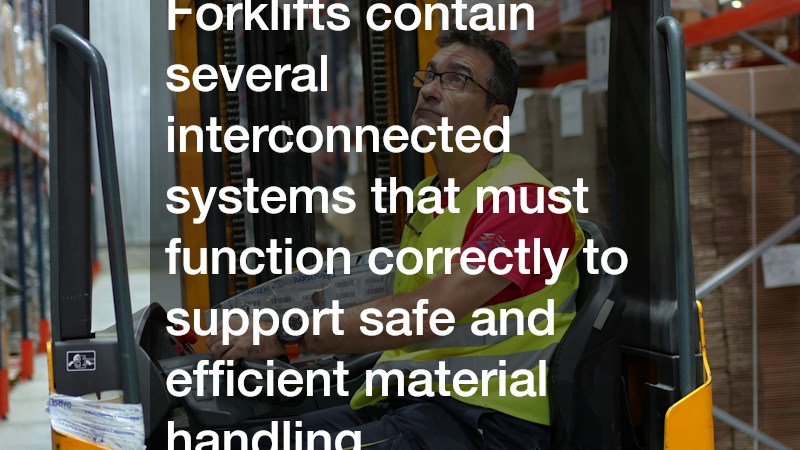
Forklifts contain several interconnected systems that must function correctly to support safe and efficient material handling. Hydraulic components control lifting and lowering operations, while braking and steering systems allow operators to maneuver heavy loads. Engines, batteries, and electrical systems provide the power needed for operation.
Each system requires appropriate maintenance to prevent premature deterioration. Hydraulic systems should be inspected for leaks, damaged hoses, and fluid contamination. Brakes require attention to ensure reliable stopping performance, particularly when transporting heavy materials.
For electric forklifts, battery condition and charging practices can significantly influence equipment availability. Damaged charging connections, deteriorating batteries, and improper charging procedures may contribute to performance problems.
Internal combustion forklifts require additional attention to engine fluids, filters, cooling systems, and fuel-related components. Following manufacturer recommendations helps technicians identify service requirements specific to each equipment model.
Professional forklift repair services can address worn or damaged components before they affect other systems. This approach helps businesses preserve equipment reliability while reducing the likelihood of extensive mechanical failures.
Controlling Maintenance and Replacement Expenses
Although maintenance requires an ongoing financial investment, unexpected equipment failures can create considerably greater expenses. Emergency service calls, replacement components, equipment rentals, and production delays can increase the total cost of an unplanned breakdown.
Preventive maintenance allows businesses to distribute service expenses more predictably throughout the year. Instead of facing sudden repair bills, managers can budget for routine inspections, scheduled component replacements, and necessary adjustments.
Maintenance records also help determine whether continued repairs remain financially practical. As equipment ages, recurring failures and increasing service expenses may indicate that replacement deserves consideration.
Businesses should evaluate repair frequency, equipment condition, remaining useful life, and operational requirements before making replacement decisions. Comparing these factors can help companies avoid investing excessively in machines that no longer meet their needs.
Creating an Effective Long-Term Maintenance Strategy
A successful maintenance program combines operator inspections, manufacturer-recommended servicing, accurate documentation, and timely professional assistance. Managers should establish clear responsibilities for reporting problems and scheduling maintenance.
Digital maintenance logs or equipment management software can help track operating hours, service histories, recurring defects, and upcoming inspections. These records provide useful information when planning maintenance budgets and evaluating equipment performance.
Partnering with experienced forklift repair technicians can also help businesses address complex mechanical issues and maintain consistent service standards.
Ultimately, regular maintenance is an investment in operational stability. By addressing equipment problems early, maintaining critical components, and planning service around business demands, companies can reduce unexpected downtime, protect employees, and support more reliable material handling operations.