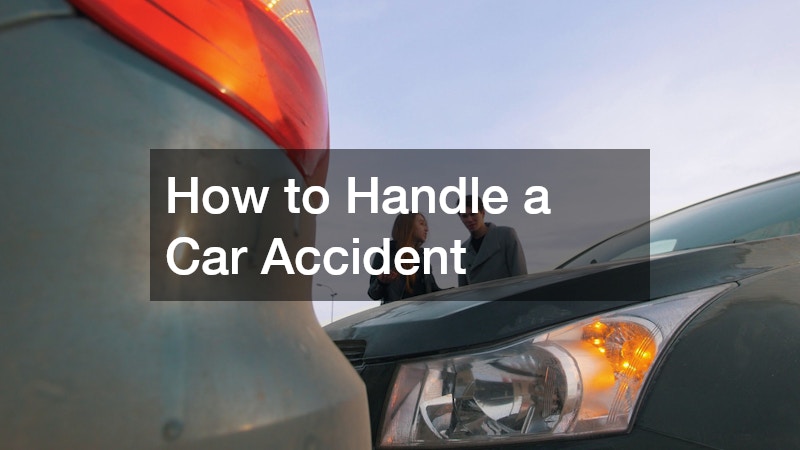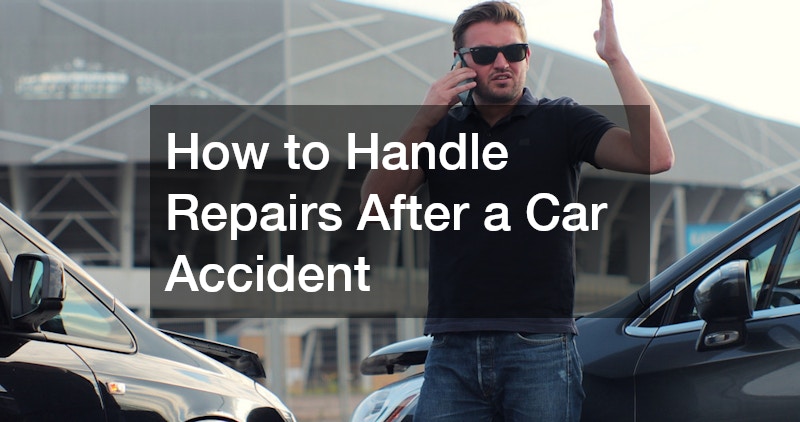
A vehicle collision is one of the most stressful events a driver can experience. In the immediate aftermath, adrenaline runs high, feelings of relief or shock take over, and a million questions rush through your mind. Once you have confirmed that everyone involved is safe and all initial emergency procedures are completed, a new phase begins: the process of getting your car back on the road. Dealing with damaged bodywork, broken glass, mechanical issues, and insurance claims can quickly feel overwhelming if you do not have a clear strategy.
Navigating post-accident fixes requires patience, organization, and a solid understanding of how the automotive restoration industry works. Knowing what steps to take, how to evaluate facilities, and how to communicate with insurance claims adjusters will protect both your financial investment and your physical safety. This guide walks you through every major stage of fixing your vehicle, helping you transform a complex, daunting task into a manageable step-by-step procedure.
Immediate Post-Accident Safety Measures
Prioritize On-Scene Safety Procedures
Before even thinking about calling a tow truck or booking an appointment at a facility, your priority must be securing the scene to prevent secondary accidents. Turn on your hazard lights immediately to signal to oncoming drivers that your vehicle is immobilized or moving slowly. If the vehicle is still drivable and it is safe to do so, move it to the shoulder or a nearby parking lot to keep traffic lanes clear.
If the car cannot be moved, stay inside with your seatbelt buckled if you are on a busy highway, or move to a safe location behind a barrier well away from active traffic lanes. Flare placement or setting up emergency triangles can also provide extra warning to approaching motorists, especially in low-light conditions or heavy weather.
Document Scene Details Thoroughly
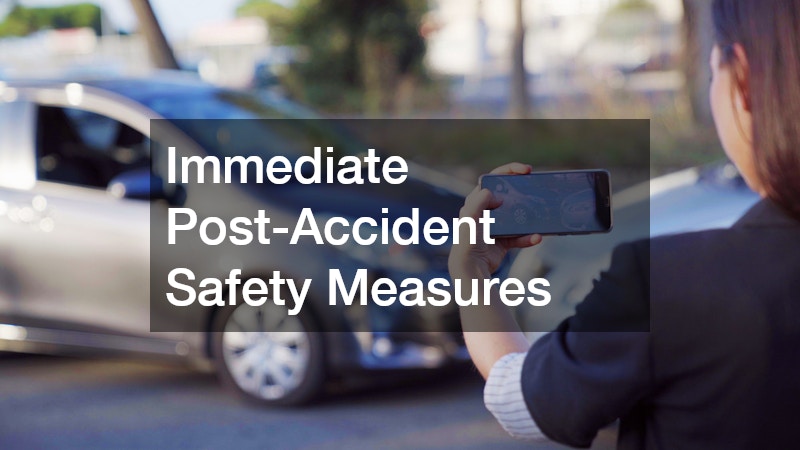
High-resolution photos and videos are essential evidence when establishing the extent of damage for insurance adjusters and technicians. Take wide-angle shots showing the overall scene, the positions of all involved vehicles, relevant road signs, and weather conditions. Then, take close-up photographs of every dent, scrape, cracked light housing, and fluid leak.
Make sure to take pictures from multiple angles and under good lighting if possible. It is equally important to capture images of the interior if airbags deployed or if cabin components were dislodged. These visual records will serve as an objective benchmark when estimates are calculated later on.
Collect Necessary Documentation
Beyond visual evidence, gather detailed official documentation before leaving the scene or going to the hospital. Exchange contact information, driver’s license numbers, and policy details with all involved parties, but refrain from discussing fault or making casual admissions.
Request the police report reference number from responding officers, as insurance adjusters rely heavily on this document to process claims. Keep a physical folder or digital notepad dedicated to storing claim numbers, names of towing operators, contact info for official representatives, and exact dates and times of all accident-related interactions.
Navigating Insurance Claims and Coverage
Review Policy Terms and Deductibles
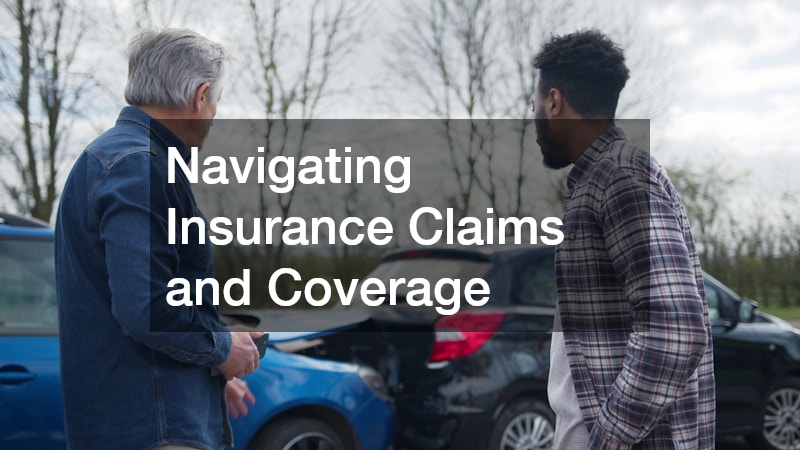
Understanding your policy coverage before speaking with an adjuster prevents surprises later in the restoration process. Check whether you carry comprehensive, collision, or third-party liability coverage, as each determines who pays for what type of damage. Take special note of your deductible amount, which is the out-of-pocket sum you must pay before insurance funds kick in.
Knowing your policy limits, rental car reimbursement caps, and towing allowances empowers you during initial negotiations and prevents unexpected out-of-pocket expenses when settlement checks are calculated.
File Claims Promptly and Accurately
Initiate the claim process as soon as possible after the incident to keep momentum going. Most insurance companies offer mobile applications, online portals, or twenty-four-hour phone lines where you can submit photos and basic information. Be concise and factual in your description of events, sticking strictly to what you saw and experienced.
Avoid speculating about mechanical damage that you cannot visually confirm at the scene. Timely filing speeds up the assignment of a claims adjuster, which in turn accelerates the scheduling of inspections and approval of necessary restoration work.
Evaluate Insurance Preferred Shop Recommendations
Insurance representatives often suggest specific facilities from their direct repair programs to handle your vehicle. While these shops offer convenience, streamlined billing, and sometimes guaranteed timelines, you are not legally required to use them. You have the right to choose any certified facility for auto collision repair to perform the work on your vehicle.
Take time to research both network shops and independent establishments in your area to determine which provider offers the best quality guarantees, technician certifications, and customer reviews.
Selecting the Right Repair Facility
Check Industry Certifications and Standards
Quality restoration requires specialized knowledge, modern diagnostic tools, and skilled craftsmanship. Look for facilities that hold recognized industry credentials, such as Inter-Industry Conference on Auto Collision Repair certification or Automotive Service Excellence seals. These credentials verify that the technicians undergo continuous training to stay current with modern manufacturing materials, structural welding methods, and advanced driver-assistance systems calibration protocols. A certified facility is far more likely to restore your vehicle to its exact factory safety specifications.
Seek Out Specialized Expertise
Not every facility is equipped to handle every type of vehicle or damage category. If you drive a precision-engineered import, seeking out a facility that specializes in European auto repair ensures that the technicians possess the dedicated scan tools and factory training needed for delicate electronic systems.
Similarly, vehicles with aluminum frames or complex hybrid powertrains require specific skill sets that general body shops might lack. Ask prospective shops about their experience with your specific make and model before committing to a drop-off date.
Verify Warranties and Service Guarantees
Reputable facilities stand behind their workmanship with written warranties that cover both labor and applied finishes. Inquire about the duration and scope of the shop’s warranty before signing any work authorization forms. A standard quality guarantee should cover paint peeling, clear coat fading, structural alignment precision, and mechanical installation defects for at least several years, if not the lifetime of the vehicle. Ensure that you receive a signed copy of the warranty terms for your personal records.
Assessing and Repairing Body Damage
Address Structural Frame Integrity
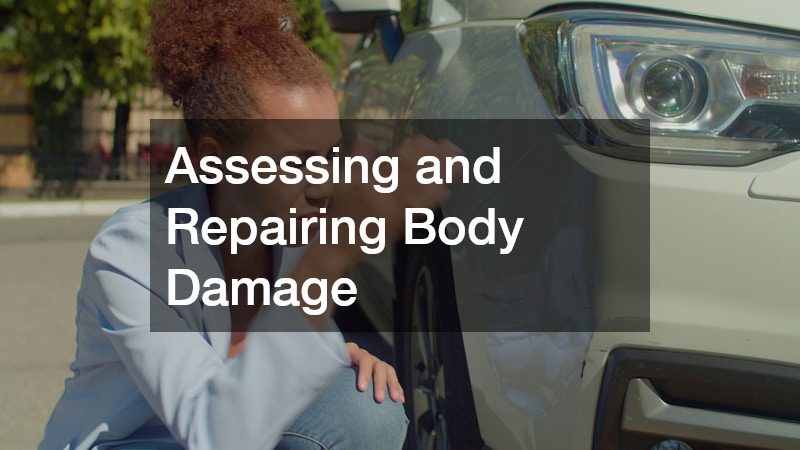
Major impacts can distort the underlying structural frame or unibody of a vehicle, compromising its ability to protect occupants in future crashes. Facilities use computerized measuring systems to analyze the frame against original factory dimensions down to the millimeter. Hydraulic pullers and specialized alignment benches are then used to pull the metal back into exact specification. Never compromise on frame restoration; an unaligned frame causes uneven tire wear, poor handling, and severely degraded crash safety performance.
Restore Outer Panels and Bumpers
Outer panel damage ranges from minor cosmetic creases to completely shattered plastic covers. When dealing with front or rear impact damage, proper bumper repair is critical not just for appearance, but also because modern bumpers house parking sensors, blind-spot radars, and airbag triggers. Technicians will evaluate whether a plastic cover can be remolded, filled, and refinished, or if total replacement is necessary to ensure safety systems function without interference.
Fix Minor Cosmetic Imperfections
For minor dings and creases where the factory paint remains completely unbroken, paintless dent repair provides a fast and cost-effective solution. This specialized technique uses custom metal rods and massage tools to gently work damaged metal back into its original shape from behind the panel. Because it avoids sanding, body filler, and repainting, it preserves your vehicle’s original factory finish and significantly reduces time spent in the shop.
Handling Mechanical and Internal Issues
Inspect Suspension and Steering Systems
Even low-speed collisions can throw off wheel alignment or damage sensitive steering and suspension components. Bores, control arms, tie rods, and struts often absorb massive kinetic forces during an impact. Certified auto mechanics will conduct a comprehensive alignment check and undercarriage inspection to identify bent components or leaking shocks. Fixing suspension issues promptly prevents premature tire failure, steering drift, and dangerous handling instability on the road.
Evaluate Powertrain and Under-Hood Damage
Impacts near the front of the vehicle frequently push the radiator into critical engine parts, causing cooling leaks, cracked belts, or broken sensor mounts. A complete mechanical diagnostic test is required to ensure that internal drive components, transmission housings, and fluid lines did not sustain stress fractures. Replacing compromised cooling components or belts early prevents catastrophic mechanical failure and costly overhauls down the road.
Manage Part Sourcing Options
When replacing damaged mechanical or structural components, you often have choices regarding the origins of the replacement items. Original Equipment Manufacturer items match the exact factory build of your vehicle, while aftermarket options can offer cost savings.
For older vehicles or rare trim levels, sourcing quality components through an auto salvage network can provide genuine original equipment at a fraction of the retail cost. Discuss these options with your technician to balance budget constraints with quality standards.
Addressing Glass and Windshield Damage
Evaluate Glass Damage Severity
Cracked or shattered glass compromises both driver visibility and the structural strength of the vehicle cabin. Windshields are designed to support the roof during a rollover event and provide a backstop for passenger airbag deployment. Small bullseye chips or short cracks under a few inches long can often be resin-injected to prevent spreading, but larger cracks running across the driver’s sightline demand immediate full windshield replacement to maintain cabin safety standards.
Utilize Mobile Glass Services
Convenience is a high priority when dealing with compromised glass, as driving a vehicle with severely fractured windows is extremely dangerous. Contacting local windshield services allows certified technicians to come directly to your home or office with fully equipped mobile vans. These specialized teams can remove damaged glass, prep the pinch weld, apply high-grade polyurethane adhesives, and install new glass right in your driveway, saving you the hassle and risk of driving to a physical facility.
Recalibrate Driver Assistance Technologies
Modern windshields are rarely just simple sheets of glass; they frequently house forward-facing cameras, rain sensors, and lane-departure warnings. Following a glass swap, these advanced systems must be recalibrated using specialized optical targets and electronic diagnostic tools. Ensure that your chosen local auto repair service includes dynamic or static camera recalibration in their work package so that your safety features continue to operate with total accuracy.
Quality Control and Vehicle Pickup
Perform a Thorough Final Inspection
When the shop notifies you that your vehicle is ready for collection, allocate sufficient time for a rigorous final walkaround. Inspect the vehicle in broad daylight rather than under dim shop lighting or in the rain. Check panel gaps to ensure they are uniform and straight across the entire body. Examine painted areas for color match, overspray on trim pieces, orange peel texture, or dust nibs trapped under the clear coat.
Conduct an Extensive Road Test
Before signing off on final release documents and handing over your insurance check, take the vehicle for a comprehensive test drive. Drive on both local streets and at highway speeds to check for unusual vibrations, pulling to one side, or whistling wind noises around seals. Test every single electronic feature, including:
-
Power windows, power locks, and side mirror adjustments
-
Heating, air conditioning, and ventilation fan controls
-
Cruise control, lane assist, and parking sensor warnings
-
Exterior lighting, turn signals, and high beams
-
Audio system, touchscreens, and backup camera displays
If you detect any strange noises, warning lights, or mechanical hesitations, inform the service advisor immediately and request that those items be documented and rectified before final payment is settled.
Organize Final Paperwork and Records
Keep a dedicated folder containing all final invoices, itemized parts lists, technician notes, alignment printouts, and warranty certificates. Having detailed service records proving that all post-accident work was completed by certified professionals protects your vehicle’s resale value when it comes time to trade or sell. It also gives you leverage if an issue related to the collision reappears weeks or months down the line.
Managing vehicle fixes following a collision does not have to be a confusing or stressful endeavor. By taking immediate safety precautions, staying organized with documentation, asserting your right to choose top-tier service providers, and inspecting completed work with a critical eye, you can navigate the entire process with complete confidence. Taking a proactive approach ensures your vehicle receives the precise care it needs, restoring its safety, performance, and aesthetic appeal for many miles to come.