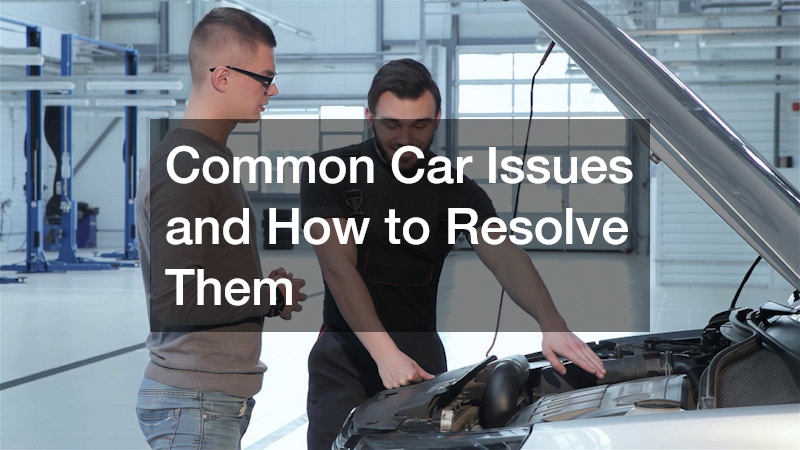
Owning a vehicle brings freedom but carries a baseline of responsibility. For many drivers, a sudden dashboard light or strange vibration triggers immediate anxiety. The automotive aftermarket is vast and highly specialized; taking your vehicle to the wrong professional can result in wasted time, misdiagnoses, and unnecessary expenses. Just as you would not consult a specialized surgeon for a minor cold, you should not bring a complex electrical fault to a high-volume tire shop. Understanding the landscape of automotive care is the key to preserving your vehicle’s longevity, maintaining resale value, and ensuring safety on the road.
Managing Routine Preventive Care
Establishing a Dependable Fluid and Filter Schedule
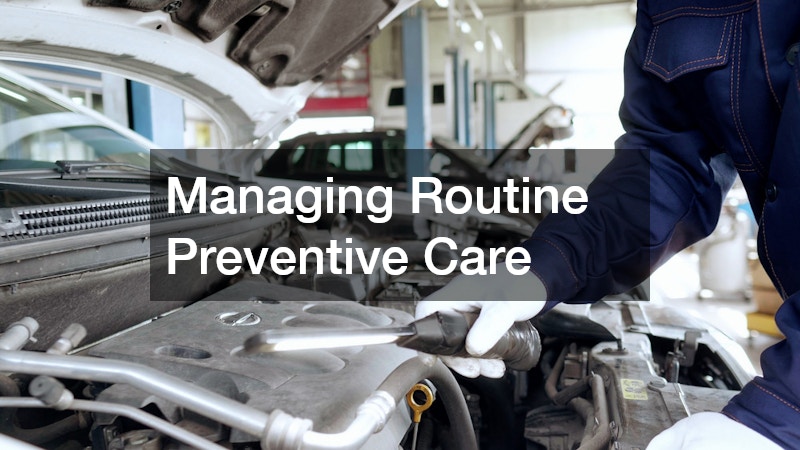
The foundation of vehicle longevity is regular preventative maintenance. The most critical aspect of this routine is staying on top of oil changes, which keep internal engine components lubricated, cool, and free of debris. While modern synthetic fluids can last anywhere from 7,500 to 15,000 miles, older vehicles or those subjected to severe driving conditions—such as frequent stop-and-go city traffic, heavy towing, or extreme temperatures—require more frequent attention. When choosing a provider for this baseline service, you generally have three choices: a high-volume quick-lube chain, an independent repair facility, or a franchise dealership.
For simple fluid management, quick-lube centers offer convenience, often allowing you to remain in your vehicle without an appointment. However, the technicians at these facilities are frequently entry-level and may push aggressive upsell items like cabin air filters or fuel system cleaners at inflated prices. If you choose an independent shop, you build a relationship with a technician who gets to know your specific vehicle over time. When managing this aspect of car care, keep these actionable tips in mind:
-
Always consult your owner’s manual for the exact oil viscosity and specification required by your manufacturer.
-
Request a written multi-point inspection report with every service to track the gradual wear of your brake pads, belts, and hoses.
-
Keep a meticulous folder of all receipts, as a documented service history drastically improves your vehicle’s resale value.
-
Check your fluid levels manually using the dipstick at least once a month to catch slow leaks or consumption issues early.
Navigating State Compliance and Smog Checks
Beyond keeping the vehicle running smoothly, you must ensure it remains legally compliant with environmental and safety regulations. In many jurisdictions, registering your vehicle requires passing a mandatory emissions test to verify that your exhaust system operates within legal pollution limits. These inspections are typically performed at licensed state inspection stations, certified private repair facilities, or dedicated testing kiosks. If your vehicle fails this assessment, you are legally prohibited from renewing your registration, which can lead to fines or impoundment.
Preparing for this compliance check requires a bit of strategy to avoid an unexpected failure. The onboard diagnostic system of a modern vehicle constantly monitors environmental controls, and if it detects a fault, it triggers the check engine light. An active check engine light is an automatic failure in almost all testing programs. To ensure a smooth testing process, consider the following checklist:
-
Never reset your vehicle’s battery right before an inspection to clear a warning light; the testing computer will detect that the system monitors are not ready and reject the vehicle.
-
Drive your vehicle on the highway for at least twenty to thirty minutes before arriving at the testing center to ensure the catalytic converter reaches its optimal operating temperature.
-
Ensure your gas cap is tightened securely until it clicks, as a loose cap allows fuel vapors to escape, which is a frequent cause of failed tests.
Addressing Mid-Level Mechanical and Handling Adjustments
Correcting Steering Drift and Premature Tire Wear
As a vehicle accumulates miles, potholes, curb impacts, and general road debris will gradually alter its suspension geometry. When this happens, you will likely notice your vehicle pulling to one side or observe that the steering wheel is no longer centered when driving straight. This situation requires a professional wheel alignment, a precise calibration process that adjusts the angles of the vehicle’s tires relative to each other and the chassis. Ignoring this issue not only ruins the handling characteristics of your car but also causes rapid, uneven tread wear, forcing you to replace expensive tires prematurely.
An alignment must be performed using a specialized, computerized alignment rack that measures fractions of a degree. While some general repair facilities own this equipment, dedicated tire and alignment specialty shops are often the best point of contact because their technicians perform these adjustments dozens of times a day. To get the most out of this service, ensure you follow these steps:
-
Request a printout of the alignment geometry showing the before and after measurements for camber, caster, and toe.
-
Combine this service with a tire rotation and balance to ensure optimal ride smoothness and even tread wear across all four positions.
-
Have the technician inspect the inner and outer tie rod ends, ball joints, and control arm bushings before starting the alignment, as adjustments cannot hold if these parts are worn out.
Vetting General Repair Technicians for Diagnostic Troubles
When your vehicle experiences mechanical or electrical issues that go beyond basic maintenance—such as a grinding noise when braking, a rough engine idle, or an electrical component failing to operate—you need to contact a trusted auto mechanic. This professional serves as the primary care physician for your automobile, capable of diagnosing complex systems and executing intermediate repairs. Because the automotive field has become highly technological, a modern technician must be skilled not just with wrenches, but also with advanced diagnostic software and digital multimeters to pinpoint issues accurately.
Finding a trustworthy facility that offers dependable auto repair services is one of the most critical steps a car owner can take. Look for shops that employ technicians certified by the National Institute for Automotive Service Excellence, as this credential indicates a verified level of technical competence. When establishing a relationship with a repair facility, utilize these guidelines:
-
Look for independent shops that specialize in your specific vehicle make or region, as they will have proprietary diagnostic tools and deeper familiarity with common failure patterns.
-
Request a written, itemized estimate that breaks down parts and labor costs clearly before authorizing any repair work to begin.
-
Ask about the shop’s warranty policy; a reputable establishment should offer a guarantee of at least twelve months or twelve thousand miles on both parts and workmanship.
Heavy Mechanical Overhauls and Specialized Upgrades
Evaluating Powertrain Replacements and High-Performance Builds
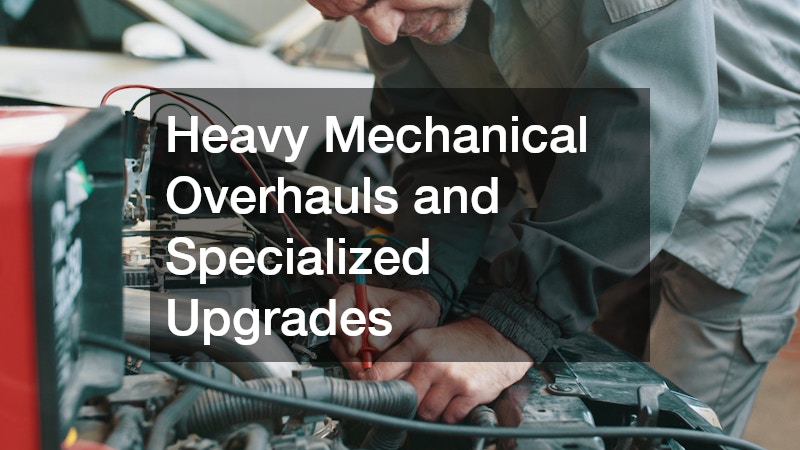
There are moments in a vehicle’s lifespan where simple repairs are no longer sufficient. If an engine suffers a catastrophic internal failure—such as a broken timing chain, a thrown connecting rod, or severe block cracking from overheating—the vehicle is rendered completely inoperable. In these severe scenarios, consumers must explore auto engine swaps as a way to resurrect the vehicle without purchasing a brand-new car. This process involves completely removing the damaged powerplant and installing a replacement unit, which could be a brand-new crate engine, a factory-remanufactured assembly, or a low-mileage used engine sourced from a salvage yard.
This level of work requires heavy specialized equipment, including engine hoists, vehicle lifts, and extensive programming tools to synchronize the new engine’s electronics with the existing transmission and body control modules. Because of the sheer complexity, you should avoid general quick-service garages and instead look for dedicated powertrain rebuilders or engine specialty shops. When navigating this major financial and mechanical investment, prioritize the following actions:
-
Calculate the economic viability by comparing the total cost of the engine replacement against the actual cash value of the vehicle once it is repaired.
-
Opt for a remanufactured engine over a used salvage engine if you plan to keep the vehicle long-term, as remanufactured units come with comprehensive parts and labor warranties.
-
Verify that the shop replacing the engine also replaces critical peripheral components, such as the water pump, thermostat, and coolant hoses, to prevent an old part from ruining the new engine.
Implementing Advanced Modern Telematics and Physical Deterrents
Mechanical performance is only one side of car ownership; protecting your investment from external threats is equally vital. Vehicle theft remains a major issue in many metropolitan areas, and standard factory security systems are often easily bypassed by tech-savvy criminals using signal relay attacks. To safeguard your property, you may need to look into aftermarket anti-car theft security systems. These advanced systems range from physical immobilizers and hidden kill switches to sophisticated digital telematics packages that feature two-way paging remotes, glass-break sensors, and real-time GPS tracking integrated into smartphone applications.
Installing these complex systems requires cutting into the vehicle’s primary wiring harness and integrating with the onboard computer networks, which can void factory warranties if done improperly. For this reason, you should bypass general service centers and seek out specialized automotive electronics and security installers. These specialists understand how to route wiring safely away from moving parts and airbag deployment zones. Consider these tips when upgrading your security layout:
-
Choose a security system that features a rolling-code encryption protocol to prevent thieves from intercepting and copying your key fob’s wireless signal.
-
Ensure the installer places the main control module and the siren in highly concealed, inaccessible locations within the vehicle dashboard and engine bay.
-
Document the installation thoroughly and retain the product certificates, as many insurers offer premium discounts for vehicles equipped with approved tracking and recovery devices.
Post-Incident Restoration and Legal Protection

Restoring Structural Integrity and Cosmetic Finish After a Crash
No matter how defensively you drive, accidents happen. When a collision occurs, the damage to a vehicle often extends far beneath the visible dents and scratched paint. Severe impacts can warp the vehicle’s structural frame, compromise crush zones designed for occupant safety, and misalign suspension mounting points. To restore a vehicle to its pre-accident condition, you must bypass mechanical repair shops entirely and contact specialized auto body collision repair garages. These facilities house heavy-duty frame-straightening machines, computerized paint-matching booths, and technicians trained in plastic welding and aluminum repair.
Dealing with collision damage requires a careful approach, as insurance companies often try to steer policyholders toward their preferred direct repair programs to minimize costs. It is important to know that in most regions, you have the legal right to choose whichever repair facility you prefer. When vetting a collision repair center, keep these operational tips in mind:
-
Ensure the shop holds certifications from organizations like the Inter-Industry Conference on Auto Collision Repair, which verifies they are trained in modern structural repair techniques.
-
Insist on a detailed breakdown of the parts being used, clarifying whether they are Original Equipment Manufacturer parts, certified aftermarket parts, or salvaged structural pieces.
-
Inspect the vehicle thoroughly in bright daylight before accepting the delivery, checking closely for inconsistent paint textures, mismatched body panel gaps, and correct door operation.
Navigating Claims Management and Liability Protection
The physical damage to your vehicle is only half of the challenge following an accident; the administrative and legal aftermath can be equally daunting. Immediately following an incident, your initial point of contact must be your insurance provider to initiate the claims process and arrange for emergency towing or roadside assistance. Navigating the complexities of policy limits, deductibles, and fault determination requires clear documentation and a cool head, especially when dealing with the adverse driver’s insurance adjusters, who are trained to minimize payouts.
In situations where an accident results in significant property damage, disputed liability, or physical injuries, relying solely on an insurance adjuster may not be enough to protect your long-term interests. In these complex scenarios, it becomes necessary to consult a dedicated car accident attorney. A legal professional specializing in personal injury and property protection can step in to manage communication with the insurance companies, gather police reports, interview witnesses, and ensure you receive fair compensation for medical bills, lost wages, and diminished vehicle value. To handle this post-incident phase effectively, consider the following checklist:
-
Take extensive photographs and video of the accident scene, including vehicle positions, road conditions, skid marks, and the property damage of all involved parties.
-
Never sign a full liability release or accept a quick settlement check from an insurance company until you have received a complete medical evaluation and a detailed repair estimate.
-
Keep a detailed log of all expenses related to the accident, including car rental fees, medical copays, and any time missed from work due to administrative or recovery needs.
Successfully managing a vehicle throughout its operational lifespan requires moving past the idea that a single garage can handle every possible automotive scenario. The key to preserving your vehicle investment, staying safe, and minimizing unexpected expenses is understanding when to utilize specialized professionals. By distinguishing between routine preventative care, mid-level mechanical diagnostics, heavy specialized overhauls, and post-collision restoration, you can approach every automotive challenge with confidence and clarity.